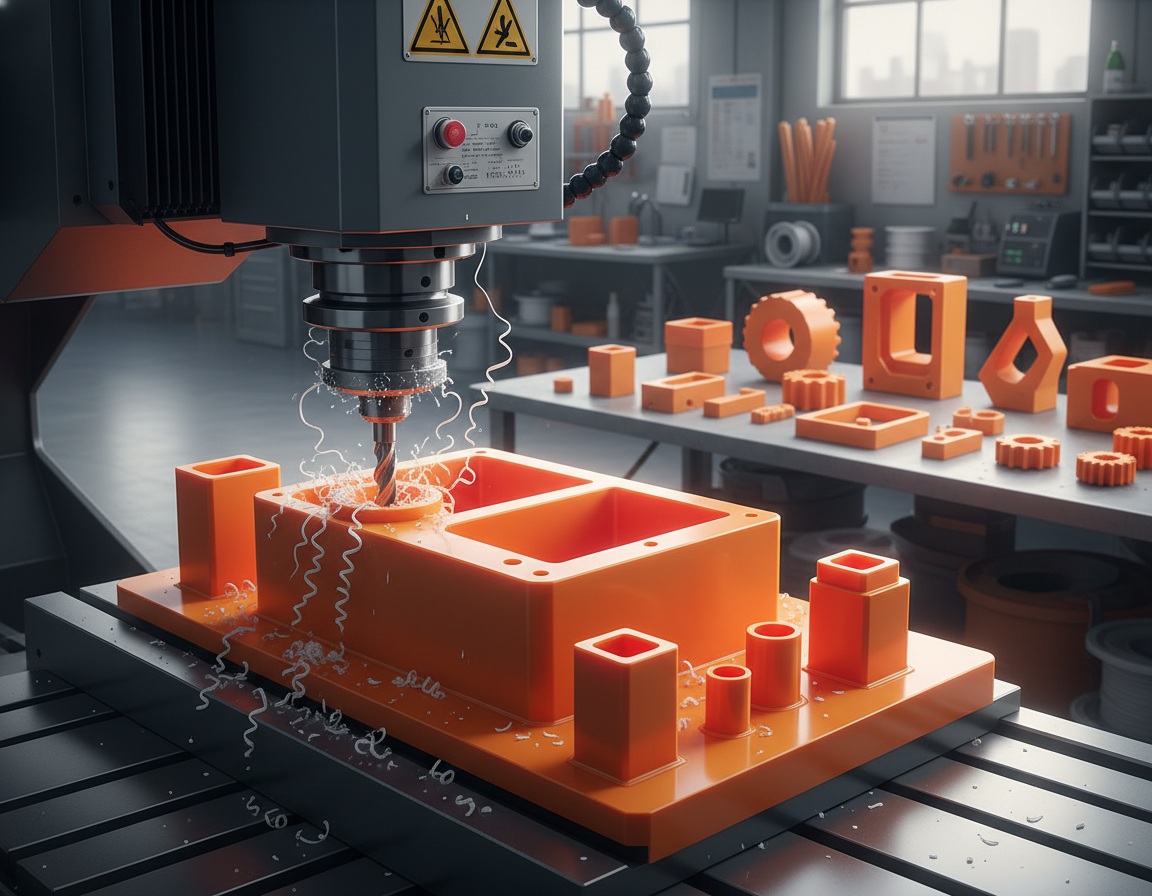
Low Alloy Steels For High Strength MIM Parts

Metal Injection Molding in Singapore: Premium Solutions

Singapore stands as a global leader for advanced manufacturing and precision engineering. A strong infrastructure and skilled talent pool position it as a prime hub for innovation. Organizations like AMT have prospered, delivering advanced services for more than thirty years.

AMT’s specialty is metal injection molding (MIM), producing complex, high-quality parts for high volumes. Their integrated https://amt-mat.com/business/mim/metal-injection-molding/ approach covers everything from tooling to assembly, ensuring streamlined supply chains for clients worldwide.

Backed by certifications and strict quality standards, AMT has earned a reputation for reliability. They serve global customers across industries including automotive and medical devices. This success is rooted in Singapore’s supportive ecosystem and AMT’s technical expertise.

Essential Points

  • Singapore serves as a hub for advanced manufacturing and precision engineering
  • AMT is a 30+ year industry leader in MIM solutions
  • An integrated approach enables efficient supply chains
  • Credibility is reinforced by certifications and quality controls
  • A skilled workforce in Singapore benefits global clientele

Metal Injection Molding in Singapore: An Introduction

Innovation and precision define Singapore’s manufacturing landscape. Companies like AMT have played a pivotal role in advancing metal injection molding (MIM) technology. Since its founding in 1990, AMT has evolved into a leader, offering end-to-end solutions that integrate MIM with precision tooling, CNC machining, and 3D printing.

Singapore’s location boosts worldwide distribution capabilities. This positioning lets AMT efficiently support medical, automotive, electronics, and industrial clients. AMT tackles fragmented supply chains to ensure seamless production and delivery of quality components.

The process of MIM involves combining fine metal powders with binders to create intricate parts. AMT’s expertise plus Singapore’s infrastructure position the company as a trusted partner for complex manufacturing. Their commitment to innovation and quality continues to drive success in a competitive global market.

AMT

What is Metal Injection Molding (MIM)?

Metal injection molding is an advanced process blending precision and efficiency. It enables production of complex, high-performance components with tight tolerances. Industries such as automotive, medical, and electronics widely use this method.

The MIM Process Explained

The mim process involves four key steps: mixing, injection, debinding, and sintering. Initially, fine metal powders blend with binders, creating a feedstock. Next, the mixture is injected to produce a green part with the final geometry.

Afterward, the green part is debound to remove binders, yielding a brown part. Finally, the brown part is sintered at high temperatures to achieve its final density and strength. Sintering typically causes ~15% shrinkage, producing a near-net component with precise dimensions.

MIM’s Key Building Blocks

Several critical components ensure quality throughout the mim process. Custom feedstock formulations match specific alloys, enabling material flexibility. The green part and brown part stages are essential for achieving the desired density and shape.

High-temperature sintering is key to final durability and strength. Compared with machining or plastic injection molding, MIM yields intricate geometries with strong material efficiency. Therefore it’s preferred for industries demanding precision and performance.

Benefits of Metal Injection Molding

Innovative manufacturing methods have transformed the production of complex components with unmatched accuracy. Among these, https://amt-mat.com/what-is-medical-manufacturing offers major advantages such as high precision, material flexibility, and exceptional strength. Such benefits make it preferred where intricate and durable parts are essential.

Dimensional Accuracy and Tolerances

Dimensional tolerances can be as tight as ±0.3%, meeting exact specifications. With finishes under 32 µin Ra, extra polishing is often unnecessary. AMT can form thin walls to 0.2mm, enabling intricate complex geometry.

Strength with Material Flexibility

From stainless steel (for corrosion resistance) to dense tungsten alloys, material choices are broad. AMT’s In-Coring® and bi-material integration further enhance functionality by reducing part size and weight. This versatility allows for tailored solutions across industries, from medical devices to automotive components.

Cost savings are another significant advantage. By minimizing secondary machining and assembly, production is streamlined. For instance, medical devices needing biocompatible, sterilizable parts benefit from these efficiencies. This combination of high strength, precision, and material flexibility makes the technique a game-changer in modern manufacturing.

Applications & Use Cases of MIM

The versatility of advanced manufacturing techniques enables the creation of highly specialized components across industries. From medical devices to automotive systems, these methods deliver precision and reliability. Companies like AMT leverage this technology to produce critical parts that meet stringent industry standards.

Medical and Surgical Instruments

Precision is paramount in the medical field. AMT produces stainless steel endoscopic graspers and robotic surgical tools that meet rigorous biocompatibility standards. These components are essential for minimally invasive procedures, ensuring patient safety and operational efficiency.

Other medical applications include MRI parts and disposable instruments. These items require high strength and sterilization capabilities, making them ideal for this manufacturing process. With tungsten alloys, AMT enables imaging-device shielding, highlighting the technology’s adaptability.

Industrial and Automotive Applications

The automotive industry benefits from durable and precise parts like fuel injectors and sensor housings. These components enhance vehicle performance and reliability. AMT’s production of transmission gears and seatbelt mechanisms further highlights the process’s suitability for high-stress environments.

Industrial settings rely on high-pressure valves and wear-resistant automation parts. These items ensure smooth operations in demanding conditions. Producing complex geometries with tight tolerances makes the method preferred for industrial applications.

Industry Applications
Medical Devices Robotic surgical tools, MRI parts, endoscopic graspers
Transportation Fuel injectors, sensor housings, transmission gears
Industrial Automation wear parts, high-pressure valves
5G & Devices Smartphone hinges, 5G heat sinks

The applications of this technology span medical to automotive innovations. High-quality, intricate output ensures cross-industry relevance. AMT’s pursuit of excellence drives global delivery of tailored solutions.

Reasons to Choose MIM in Singapore

Singapore’s advanced manufacturing provides unmatched solutions for global industries. The city-state’s strong infrastructure and skilled talent create a hub for precision engineering and innovative production. Companies like AMT leverage these advantages to deliver high-quality results.

Singapore’s strong IP protection laws ensure the security of proprietary designs and processes. By meeting FDA and ISO 13485, AMT strengthens credibility for medical and automotive partners.

Advantages include English-speaking engineers, rapid turnaround, and https://amt-mat.com/business/mim/ access to a busy global port. These factors streamline logistics and ensure timely delivery of components to clients worldwide.

AMT’s co-development process optimizes part geometry and material selection, ensuring efficiency and cost-effectiveness. Their ISO-certified facility also offers design-for-MIM support and rapid prototyping, reducing time-to-market for clients.

Quality assurance remains paramount at AMT. Components pass stringent in-house tests before delivery. Such commitment earns AMT a reputation for reliability and precision.

Contact AMT at +65 6865 5700 or 5700 email for project consultations. They are ready to support you with tailored manufacturing solutions.

Materials Used in Metal Injection Molding

Choosing the right materials is critical for precision and durability in manufacturing. To meet diverse needs, AMT uses a wide range of ferrous and non-ferrous alloys. Such materials help components perform reliably in demanding environments.

Alloy Options: Ferrous & Non-Ferrous

With tensile strengths up to 1400 MPa, ferrous alloys such as 17-4 PH stainless steel provide high strength. Unique properties make soft magnetic alloys widely used. Non-ferrous options include MP35N, known for MRI safety, and tungsten-copper blends for thermal management.

AMT’s expertise extends to advanced alloys like F75 cobalt-chrome for medical implants and Inconel 718 for aerospace applications. Providing corrosion resistance and high-temperature stability, these alloys suit critical components.

Tailored Feedstock Solutions

Specific applications drive tailored materials. For example, tungsten content can be adjusted between 90–92.5% for radiation shielding. Nickel-free stainless steel and other biocompatible options are essential for surgical tools and medical devices.

Traceability and quality are ensured by AMT’s testing protocols. Every batch undergoes rigorous checks to meet industry standards. Such commitment guarantees reliable components.

Material Type Applications
Ferrous Soft magnetic alloys, 17-4 PH stainless steel
Non-Iron Alloys MP35N, tungsten-copper, F75 cobalt-chrome
Custom Blends Tungsten-adjusted blends, nickel-free stainless steel

What’s Next for Metal Injection Molding

New trends in advanced production are redefining standards. Companies like AMT are at the forefront, integrating mim technology with 3D printing and AI-driven process optimization. These innovations are paving the way for smarter, more efficient manufacturing solutions.

Key trends include miniaturization in medical technology and lightweighting in automotive design. AMT’s R&D efforts focus on nano-powders, enabling finer features and faster sintering. Sustainability is also a priority, with binder recycling and energy-efficient debinding techniques reducing environmental impact.

Digital twin technology is revolutionizing quality monitoring. Creating virtual component replicas enables real-time defect detection, increasing precision and reliability. This approach is particularly valuable for industries like 5G infrastructure and electric vehicle (EV) components, where demand is rapidly increasing.

As industries evolve, the adoption of mim technology is expected to grow. Unmatched precision for complex, high-performance parts makes it vital for future production. AMT’s commitment to innovation ensures they remain a trusted partner in this dynamic landscape.

Final Thoughts

For over three decades, AMT has been a trusted name in delivering precision manufacturing solutions. They set benchmarks for quality and reliability through end-to-end capabilities and material innovation.

By leveraging Singapore’s robust ecosystem, AMT ensures seamless production and timely delivery. Expertise spanning medical to automotive makes them a preferred global partner.

Contact the AMT team at +65 6865 5700 or 5700 email for inquiries. They offer quick-response prototyping for time-sensitive projects, ensuring your needs are met efficiently.

A commitment to customer-centric partnerships and unmatched quality remains at AMT. Rely on them to deliver tailored solutions that drive success.

Prototyping Catheter Components with CNC

CNC Prototype Machining: Quick-Turn Prototyping Services

Quick fact over forty percent of product engineering teams slash launch timelines by one-half using accelerated prototyping workflows that mirror production?

UYEE Prototype delivers a United States–focused capability that accelerates validation testing with instant online quoting, auto DfM checks, and order tracking. Customers can get parts with an avg. lead time down to 48 hours, so engineers test form, fit, and function before tooling for titanium machining.

The capability set features 3–5 axis milling and CNC turning together with sheet metal, SLA 3D printing, and quick-turn injection molding. Post-processing and finishing arrive integrated, so parts ship ready for testing and stakeholder demos.

This workflow keeps friction low from CAD upload to final parts. Broad material options and production-relevant quality help engineers run meaningful mechanical tests while keeping timelines and budgets stable.

  • UYEE Prototype supports U.S. companies with fast, production-relevant prototyping solutions.
  • Immediate pricing and automated DfM improve decisions.
  • Average lead time can be as short as two days for most orders.
  • Complex geometries machined through multi-axis milling and CNC turning.
  • >>Integrated post-processing ships parts demo-ready and test-ready.

CNC Prototype Services with Precision by UYEE Prototype

An attentive team with a turnkey process makes UYEE Prototype a trusted supplier for precision part development.

UYEE Prototype provides a clear, comprehensive process from file upload to completed parts. The system enables Upload + Analyze for instant quoting, Pay + Manufacture with secure checkout, and Receive + Review via live status.

The engineering team supports DfM, material selection, tolerance strategy, and finishing paths. Multi-axis equipment and process controls ensure consistent accuracy so prototypes meet both functional and appearance goals.

Customers gain bundled engineering feedback, scheduling, quality checks, and logistics in one consolidated workflow. Daily production updates and hands-on schedule management keep on-time delivery a priority.

titanium machining

  • Single-vendor delivery: single source for quoting, production, and delivery.
  • Reliable repeatability: documented quality gates and SOPs drive consistent results.
  • Scale-ready support: from single proof-of-concept parts to short runs for assembly-level evaluation.

Prototype CNC Machining

Quick, manufacturing-like machined parts take out weeks from development schedules and expose design risks early.

Milled and turned prototypes increase iteration speed by removing long tooling lead times. Engineers can commission small runs and test form, fit, and function in a few days instead of many weeks. This shortens development cycles and minimizes late-phase surprises before full manufacturing.

  • Faster iteration: skip mold waits and validate engineering hypotheses quickly.
  • Load testing: machined parts offer precise tolerances and stable material properties for load and thermal tests.
  • Printing vs milled parts: additive is fast for visual models but can show directional weakness or reduced strength in demanding tests.
  • Injection trade-offs: injection and molded runs make sense at scale, but tooling cost often penalizes early stages.
  • When to pick this method: precision fit checks, assemblies with critical relationships, and controlled A/B comparisons.

UYEE Prototype helps select the best route for each stage, optimizing time, budget, and fidelity to minimize risk and accelerate program milestones.

CNC Capabilities Tailored for Quick-Turn Prototypes

Advanced milling centers and precision turning cells let teams turn complex designs into testable parts fast.

3-, 4-, and full 5-axis milling for intricate shapes

UYEE runs 3-, 4-, and full 5-axis milling centers that enable undercuts, compound angles, and freeform surfaces for enclosures and mechanisms.

Multi-axis milling minimizes fixturing and maintains feature relationships consistent with the original datum strategy.

Precision turning augments milling for concentric features, threads, and precision bores used in shafts, bushings, and fittings.

Deburring, edge-breaking, and secondary finishing ensure parts are safe to handle and test-ready.

Tight tolerances and surface accuracy for fit/function testing

Toolpath strategies and tuned cutting parameters trade off speed with dimensional accuracy.

Machine selection and advanced medical device prototyping fixturing increase repeatability across multiple units so test data stays reliable.

UYEE aligns tolerances to the test objective, prioritizing the features that govern function and assembly performance.

Capability Benefit When to use
3-axis Quick roughing & simple shapes Low-complexity housings
4-/5-axis Undercuts, compound angles Organic forms
Turning Tight runout control Shafts, bushings, threaded components

From CAD to Part: Our Efficient Process

A cohesive, streamlined workflow converts your CAD into ready-to-test parts while reducing wait time and rework. UYEE Prototype runs every step—quote, DfM, build, and delivery—so your project stays on schedule.

Upload and analyze

Upload a CAD file and obtain an on-the-spot quote plus automated DfM feedback. The system flags tool access, thin walls, and tolerance risks so designers can address issues before production.

Pay and manufacture

Secure checkout locks in payment and books production. Many orders start quickly, with average lead time as fast as two days for common prototype builds.

Receive and review

Online tracking provides build status, shipping estimates, and inspection reports. Teams share quotes, drawings, and notes in one place to improve internal approvals and align teams.

  • One workflow for single or multi-variant runs keeps comparison testing efficient.
  • Auto DfM reduces rework by catching common issues early.
  • Transparent status updates improve visibility and improve project predictability.
Step What happens Benefit
Upload & Analyze Immediate pricing and auto DfM report Faster design fixes, fewer revisions
Pay & Manufacture Secure checkout and immediate scheduling Fast turn; average 2 days for many orders
Receive + Review Online tracking, documentation, team sharing Clear delivery estimates and audit trail

Materials for Prototyping That Reflect Production

A materials strategy that matches production grades builds test confidence and shortens timelines.

UYEE procures a broad portfolio of metals and engineering plastics so parts track with final production. That alignment enables accurate strength, stiffness, and thermal evaluations.

Metals for high load and heat

Available metals include Aluminum 6061/7075/5052 for structural prototypes, stainless 304/316/316L for corrosion resistance, brass C360, copper C110, titanium Gr5, mild and alloy steels, and a range of tool steels and spring steel for demanding loads.

Plastics for impact, clarity, and high temp

Plastics offered include ABS (and FR), PC, Nylon 6/12, POM, PP, PE, PMMA, PTFE, PEEK, PVC, FR4, and TPU. Choices span impact resistance, transparency, chemical stability, and heat deflection.

How material choice affects tests

Matching prototype CNC machining material grade improves tolerance holding and surface quality, so fit and finish results match production reality. Tough alloys or filled polymers may influence achievable cosmetic finish and machining marks.

Category Example Grades When to Use
Light metal Al 6061 / 7075 General structural parts
Corrosion resistance SS 304 / 316L Moisture-prone areas
High-performance Titanium Gr5 / Tool steels High load, heat, fatigue
Engineering plastics PC, PEEK, Nylon Impact, clarity, high temp

UYEE helps optimize machinability, cost, lead time, and downstream finishing to select the best material for representative results.

Surface Finishes and Aesthetics for Production-Grade Prototypes

Selecting an appropriate finish turns raw metal into parts that look and perform like production.

Core finishes give you a quick path to functional evaluation or a clean demo. As-milled maintains accuracy and speed. Bead blast provides a consistent matte, and Brushed finishes create directional grain for a sleek, functional look.

Anodizing improves hardness and corrosion resistance and can be dyed for color. Black oxide reduces reflectivity and provides mild protection. Conductive oxidation preserves electrical continuity where grounding or EMI paths are needed.

Presentation painting and color

Spray painting offers matte and gloss options plus Pantone matching for brand fidelity. Painted parts can mimic final color and feel for stakeholder reviews and investor demos.

  • Finish choice influences perceived quality and helps simulate production cosmetics.
  • Achievable surface quality depends on base metal, toolpath, and handling sensitivity.
  • UYEE Prototype provides a range of finishing paths—from rugged textures for test articles to show-ready coatings for demos.
Finish Benefit When to Use
As-milled Quick and accurate Functional tests
Bead blast / Brushed Uniform matte / brushed grain Aesthetic surfaces
Anodize / Black oxide Hardness, low reflectivity Outdoor or harsh use

Quality Assurance That Fulfills Your Requirements

QA systems and inspection plans ensure traceable results so teams can rely on data from tests and schedules.

ISO-aligned controls, first article compliance, CoC and material traceability

ISO-aligned procedures govern incoming material verification, in-process inspections, and final acceptance to meet stated requirements. Documented controls reduce variability and support repeatable outcomes across batches.

First Article Inspection (FAI) support helps establish a dimensional baseline for critical builds before additional units run. Measurement strategies include CMM reports, calibrated gauges, and targeted feature checks to maintain precision and accuracy where it matters most.

Certificates of Conformance and material traceability are offered when requested to serve regulated manufacturing and procurement needs. Material and process trace logs record origin, heat numbers, and processing steps for compliance.

  • Quality plans are customized to part function and risk, balancing rigor and lead time.
  • Documented processes support repeatability and lower variance in test outcomes.
  • Predictable logistics and monitored deliveries keep on-time performance part of the quality promise.

Intellectual Property Protection You Can Count On

Security for confidential designs starts at onboarding and extends through every production step.

UYEE enforces contractual safeguards and NDAs to keep CAD files, drawings, and specs confidential. Agreements define handling, retention, and permitted use so your development work stays protected.

Controlled data handling methods minimize exposure. Role-based access, audit logs, and file traceability show who viewed or modified designs during quoting, manufacturing, and shipping.

Strict onboarding and data controls

Vendors and staff undergo strict onboarding with contractual obligations and training on confidentiality. Background checks and defined access limits align teams to protection methods.

  • Secure file transfer and encrypted storage for additive-ready and machining-ready files.
  • Traceable change history and signed NDAs for all external partners.
  • Documented processes that govern quoting, production, inspection, and logistics.
Control How it protects IP When it applies
NDAs & contracts Define legal obligations and remedies Project start to finish
Access controls Restrict access and track events Quoting, CAM prep, manufacturing
Encrypted transfer & storage Secure data at rest and in transit All data handling
Trained team Ensures consistent handling across projects Every phase

Industry Applications: Proven Across Demanding Use Cases

High-stakes programs in medicine, aerospace, and defense demand accurate parts for valid test results.

Medical and dental teams apply machined parts for orthotics, safe enclosures, and research fixtures that need tight tolerances.

Precise metal selection and controlled finishes reduce risk in clinical tests and regulatory checks.

Automotive

Automotive applications span fit/function interiors, brackets, and under-hood components subject to heat and vibration.

Rapid cycles enable assembly validation and service life before locking in production tooling.

Aerospace and aviation

Aerospace relies on accurate manifolds, bushings, and airfoil-related parts where small deviations impact airflow and safety.

Inspection plans center on critical dimensions and material traceability for flight testing readiness.

Defense and industrial

Defense and industrial customers need durable communication components, tooling, and machine interfaces that hold up under stress.

UYEE Prototype tunes finish and inspection scope to match rugged operational demands and procurement standards.

Consumer electronics and robotics

Consumer electronics and robotics require fine features, cosmetic surfaces, and precise mechanisms for easy assembly and user experience.

Short runs of CNC machined parts speed design validation and support production-intent refinement before scaling.

  • Industry experience anticipates risk and guides pragmatic test plans.
  • Material, finish, and inspection are matched to each sector’s operating and compliance needs.
  • UYEE Prototype serves medical, automotive, aerospace, defense/industrial, consumer electronics, and robotics customers across the U.S.
Industry Typical applications Key considerations
Medical & Dental Orthotics, enclosures, fixtures Tight tolerances, biocompatible finishes
Automotive Brackets, fit checks, under-hood parts Heat, vibration, material durability
Aerospace Manifolds, bushings, flight components Dimensional accuracy, traceability
Consumer & Robotics Housings, precision mechanisms Cosmetic finish, fine features

Design for Machining: CNC DfM Guidelines

A manufacturability-first approach focuses on tool access, stable features, and tolerances that meet test goals.

Automatic DfM checks at upload flags tool access, wall thickness, and other risks so you can adjust the 3D model before production. UYEE helps match multi-axis selection to the geometry instead of forcing a 3-axis setup to approximate a 5-axis method.

Geometry, tool access, and feature sizing for 3–5 axis

Keep walls thick enough for rigidity and long enough features within the cutter reach. Minimum wall thickness varies by material, but designing broader webs cuts chatter and tool deflection.

Use radiused fillets at internal corners to allow proper cutter engagement. Deep, small pockets should be designed with access ramps or additional setups in mind.

Tolerance planning for appearance vs functional parts

Separate cosmetic and functional tolerances upfront. Tight form tolerances belong on interfaces. Looser cosmetic limits cut cost and reduce cost.

Define datum schemes and tolerance stacks for assemblies and kinematic mechanisms. Document measurement plans for critical features so acceptance criteria are well-defined before the first run.

  • Set minimum wall thickness, feature depths, and fillets to improve tool access and stability.
  • Use 5-axis when feature relationships or undercuts need single-setup accuracy; choose simpler fixtures when speed matters.
  • Specify best practices for threads, countersinks, and small holes to prevent tool deflection and deliver repeatable quality.
  • Early DfM reviews reduce redesign cycles and speed prototyping iterations.
Focus Design Rule Benefit
Wall & Fillet Wider webs, radiused corners Reduced deflection, better surface finish
Setups Prefer 5-axis for complex relations Fewer fixtures, preserved geometry
Tolerances Functional vs cosmetic Cost control, faster cycles

Speed to Market: Lead Times and Low-Volume Runs

Quick-turn builds shorten schedules so engineers can move from concept to test sooner.

UYEE offers rapid prototyping with average lead times as fast as two days. Rapid scheduling and standardized setups cut lead time for urgent EVT and DVT builds.

Low-volume runs bridge to pilot production and support assembly testing or limited market trials. Short-run parts keep the same inspection, documentation, and traceability as single-unit work.

Teams can reorder or revise parts quickly as development learning builds. Tactical use of CNC lets you defer expensive tooling until the design matures, reducing sunk cost.

Consistent delivery cadence aligns test plans, firmware updates, and supplier readiness so programs remain on track.

Attribute Typical Range When to Use
Lead time 1–5 days (avg 2 days) Urgent engineering builds
Run size 1–200 units Validation, pilot trials
Quality & docs FAI, CoC, inspection reports Regulated tests, production handoff
Flexibility Fast reorders, design revisions Iteration-driven development

CNC vs Injection Molding and 3D Printing for Prototypes

Picking the right method can cut weeks and costs when you move from concept to test parts.

Small batches force a practical decision: avoid long lead times or accept tooling for lower unit cost. For many low-quantity runs, machined parts surpass molds on schedule and upfront cost. Printing is fastest for concept visuals and complex internal lattices, but may not match mechanical performance.

Cost, time, and fidelity trade-offs at low quantities

Injection molding demands tooling that can take many weeks and thousands in cost. That makes it uneconomical for small lots.

Machined parts eliminate tooling and often provide better dimensional control and stronger bulk properties than many printed parts. Chips from metal removal are reclaimed to minimize scrap.

  • Time: printing for hours to days; machining for days; injection may take weeks to months.
  • Cost: low unit counts favor machining or printing; molding only pays off at volume.
  • Fidelity: machining offers consistent tolerances and surface finish; printing can show layer anisotropy and layer artifacts.

When to bridge from CNC prototypes to molding

Plan a bridge to injection when the design is frozen, tolerances are stable, and material choice is locked. Use machined parts to validate fit, function, and assembly before tooling up.

Early DfM learnings from machined runs cut mold changes and increase first-off success. Optimize raw stock, optimize nesting, and recycle chips to improve sustainability during the transition.

Attribute Best for Notes
Printing Ultra-fast concepts, complex lattices Low strength; good for visual and some functional tests
Machining Small lots, tight tolerances, mechanical tests Avoids tooling; recyclability reduces waste
Injection High-volume production High upfront tooling; lowest unit cost at scale

Beyond CNC: Adjacent On-Demand Manufacturing

Modern development needs a suite of on-demand methods that match each milestone.

UYEE Prototype augments its offering with sheet metal, high-resolution 3D printing, and rapid injection molding to cover the full range of development needs.

Sheet metal fabrication uses laser cutting and bending for quick flat-pattern iterations. It is ideal for enclosures and brackets with formed features that are hard or costly to mill.

3D printing and SLA

SLA printing delivers smooth surfaces and fine detail for concept models and complex internal geometries. It enables speedy visual checks and fit trials before moving to harder materials.

Rapid injection molding

Rapid tooling, family molds, and multi-cavity options let teams bridge to higher volumes once designs are stable. Overmolding can add soft-touch or bonded layers in the same run.

Multi-process programs often combine CNC parts with printed components or sheet metal to speed subsystem integration. Material and process selection focus on validation goals, schedule, and budget.

  • Sheet metal: fast iterations for formed parts and brackets.
  • SLA printing: high-accuracy surfaces and internal detail.
  • Rapid molding: cost-effective bridge when volumes justify tooling.
Method Best use Key benefit
Sheet metal Enclosures, brackets Fast flat-pattern changes
SLA printing Concept and internal features Smooth finish, fine detail
Rapid molding Bridge volumes Production-like parts, repeatability

Get an Instant Quote and Kick Off Today

Upload your design and get instant pricing plus actionable DfM feedback to minimize costly revisions.

Upload files for locked pricing and DfM insights

Send CAD files and get an instant, guaranteed quote with auto DfM that highlights tool access, thin walls, and tolerance risks.

The platform locks pricing and schedule so your project can move into production planning promptly.

Work with our skilled team for prototypes that look and perform like production

Our team works with you on tolerances, finishes, and materials to make product builds mirror final intent.

UYEE handles processes from scheduling through inspection and shipment, reducing vendor overhead and keeping every step transparent.

  • Upload CAD for guaranteed pricing and rapid DfM feedback to lower risk.
  • Collaborative reviews synchronize tolerances and finishes to the product goal.
  • Secure payments, online tracking, and clear status updates maintain visibility through delivery.
What Benefit When
Instant quote Guaranteed pricing Start project fast
DfM report Fewer revisions Design validation
Order tracking Full visibility On-time delivery

Start today to cut lead times and get product-ready, CNC machining work, including CNC machined and machined parts that support stakeholder reviews and performance tests.

Wrapping It Up

Bridge development gaps by using a single supplier that pairs multi-axis capabilities with quick turnarounds and documented quality.

UYEE Prototype’s ecosystem of CNC equipment, materials, and finishes enables rapid prototyping with production-like fidelity. Teams get access to multi-axis milling, turning, and a wide material set to match test objectives.

Choosing machining for functional work gives tight tolerances, predictable material performance, and repeatable results across units. That consistency improves test confidence and accelerates the move to production.

The end-to-end workflow—from instant quote and auto DfM to Pay & Manufacture and tracked shipment—reduces schedule risk. Robust quality artifacts like FAI, CoC, and traceability maintain measurement discipline and surface outcomes.

Options across CNC, printing, and injection molding let you pick the right method at each stage. Begin your next project to get instant pricing, expert guidance, and reliable delivery that shortens time to market.

Related: Performance Metrics For Aluminum CNC Services

Material Innovations at AMT for High Precision Plastic Injection Molding

Accurate Plastic Injection Molding — AMT in Singapore.

Did you know a tiny medical part might need the utmost accuracy yet can be mass-produced? That level of detail is essential across medical, automotive, and electronics applications. They look for dependable partners in Singapore.

AMT has been a key manufacturing partner for over 30 years, since 1990. They combine precision toolmaking, tuned plastic molding, micro-molding, and CNC machining. The result is fewer suppliers and faster product launches.

With reach in 30+ countries, AMT maintains best-in-class AMT: high precision plastic injection molding facilities. Safety and reliability anchor their manufacturing, notably for medical devices. Attention to detail and high precision plastic injection molding positions them as a Singapore go-to for quality and consistency.

Understanding Precision Plastic Injection Molding in Singapore

Precision plastic injection molding offers rapid production with consistent quality. It involves melting plastic pellets and injecting them into molds under high pressure. It enables complex geometries and fine features beyond many alternative processes.

Definition and core principles of injection molding

It’s a balance of resin selection, tooling design, and machine control. Resin selection drives mechanical performance and flow characteristics. Accurate parts rely on tooling with proper venting and efficient cooling. Precise machine settings lock in repeatable production.

AMT - high precision plastic injection molding

Industry relevance for Singapore manufacturers and OEMs

Reliable parts are essential in Singapore’s medical, electronics, and auto industries. AMT unifies tooling and molding to streamline production. This benefits Singapore companies by ensuring regulatory compliance and protecting intellectual property.

Key Metrics: Tolerance, Cycle Time, Yield

Careful process and tooling enable tolerances as tight as ±10 µm. Faster cycles reduce costs but maintain quality via advanced cooling. Improved yields result from automation and early defect detection, minimizing the need for rework.

Metric Typical Target Impact on Manufacturing
Dimensional Tolerance ±10 µm to ±100 µm Controls fit/function and assembly consistency in precision parts
Cycle Time 2–60 seconds per shot Affects throughput, lead time, and unit cost for large runs
Yield ~95–99.9% Drives scrap reduction, warranty exposure, and production efficiency
Traceability Batch to serial-level Supports regulatory audits and warranty claims for medical and automotive parts
Run Customization Low- to high-volume runs Supports tailored solutions via DFM and custom manufacturing

Precision plastic injection molding signals high-quality and integrated production. For Singaporean companies, this means cost savings, fewer vendors, and quicker market entry. It’s a savvy way to stay competitive.

AMT and precision plastic injection molding

As a partner, AMT simplifies complex supply chains. By combining tooling, molding, and assembly, lead times shrink. Clients get less waiting, more doing, and a single point of contact.

AMT’s positioning as a strategic contract manufacturing partner

Across medical, automotive, and electronics, AMT delivers integrated solutions. They help OEMs and CMs turn designs into products. Teams trust AMT for end-to-end reliable support.

AMT Experience and Global Footprint

AMT has grown and innovated for more than three decades. Their customer base spans over 30 countries. A ~350-strong team leads development, precision molding, and complex assembly.

Holding 29 patents and 15 inventions, AMT underscores innovation—especially in microfluidics and automotive components.

Precision-Enabling Certifications: ISO 9001, ISO 13485, IATF 16949

Strong quality and regulatory credentials support customer demands. ISO 9001 certification demonstrates adherence to quality management systems. ISO 13485 confirms compliance with strict medical device requirements. IATF 16949 ensures alignment with automotive standards for traceability and defect prevention.

These certifications position AMT as a leading company for precision plastic injection molding. Be it precision molding or custom plastic manufacturing, AMT is a go-to. Capabilities scale while ensuring compliance across the product lifecycle.

AMT: Specialized Capabilities & Technologies

AMT Singapore excels at high-precision tooling and molding across medical, automotive, and electronics. It boasts Class 10,000 and Class 100,000 cleanroom production facilities. The setup minimizes contamination and supports micro-scale work.

Micro molding suits tiny parts for diagnostics and wearables. AMT runs advanced micro-molding injection presses. They produce highly accurate, consistent parts—even with complex geometries.

For high-volume production, AMT’s high cavitation precision molding is key. Tooling is engineered for uniform thermal control and precise gate placement. The approach yields consistent surfaces and uniform dimensions at scale.

AMT’s multi-shot molding techniques offer enhanced design flexibility. They allow parts with overmolded seals, varied colors, and integrated hinges through multi-shot molding and 2K processing. Additionally, auto insert molding incorporates metal or ceramic inserts in one go, ensuring robust connections.

Rapid heat and cool tooling technologies are utilized to decrease cycle times and heighten the aesthetic appeal of complex components. Overmolding adds soft elastomers to rigid substrates. These approaches demonstrate AMT’s commitment to precise molding in regulated sectors.

AMT maintains exacting standards through process control and in-house CNC machining. That enables fast tooling adjustments. By integrating micro molding, high cavitation precision molding, and multi-shot techniques, AMT aids designers in moving from prototypes to production efficiently and cost-effectively.

Materials and sustainability options in AMT’s processes

AMT balances performance with environmental considerations when selecting materials. They pick materials in the early stages, focusing on what works best in different fields like medicine, cars, and electronics.

Common thermoplastics and specialty polymers

Materials like ABS, polycarbonate, and nylon are preferred for parts that need to last. PEEK and Ultem suit high-heat, high-stability applications. For unique needs, specialty polymers are selected for their mechanical, chemical, and electrical properties.

Sustainable Material Options

AMT adopts recycled plastics when appropriate. Reclaimed resins reduce footprint without sacrificing performance in many cases. Biodegradables (e.g., PLA, PHA) are considered where requirements permit.

How Sectors Guide Material Choice

Medical applications need biocompatible, sterilizable, fully traceable materials. AMT enforces strict rules in cleanrooms to ensure patient safety.

Auto-sector materials endure heat, chemicals, and vibration. AMT evaluates durability and thermal behavior.

Electronics need materials that don’t give off gases, resist flames, and keep precise shapes. The choice of material affects how well the product works, its assembly success, and how it looks.

When sustainability is a goal, AMT considers lifecycle and recyclability. Their expertise in tooling and materials makes it possible to use recycled or biodegradable plastics without losing quality.

Design→Delivery: AMT’s Integrated Workflow

AMT transforms CAD concepts into finished parts with precision at each stage. Work begins with design review and manufacturability assessment. Engineers refine wall thickness, ribs, and features for speed and robust function.

DFM & Design

Computer simulations predict design performance. This early testing helps avoid extra changes and keeps costs down. The goal here is to make sure parts made later will match the initial design closely.

Tooling & Mold Fabrication

AMT creates molds with precision using advanced tools like 5-axis CNC machines. They make sure molds are perfect for long-term use by following strict steps and using durable steel.

Assembly & Cleanroom Handling

Parts undergo assembly, welding, and rigorous inspection after molding. They have special clean rooms for assembling parts that must be kept free from contaminants.

Production Stage Key activities Primary Benefits
CAD & DFM Simulation, wall thickness optimization, tolerance planning Reduced revisions and predictable molding
Tool making 5-axis CNC, EDM/wire-cut, precision grinding Precise, durable molds with consistent cavities
Molding Micro and standard presses, process validation Repeatable cycles, low scrap, controlled cycle time
Assembly & inspection Robotics, cleanroom handling, traceable inspection Audit readiness, sterility, full traceability

Keeping tooling through molding under one roof reduces waits and simplifies the process. One owner across stages boosts reliability and lowers cost from design to production.

With sophisticated molding, they deliver parts tuned to your needs. Parts serve healthcare, auto, and electronics in Singapore and the wider region.

Quality Assurance & Testing for High-Precision Outcomes

Tooling, molding, assembly, and inspection stay integrated at AMT Singapore. This enables end-to-end traceability and meets stringent medical/automotive demands. ISO 13485 and IATF 16949 practices maintain clarity and repeatability.

In production, real-time data is captured. Sensor data drives quick corrections and efficiency gains.

Robot inspections check many parts fast and accurately using steady force and controlled lighting. Findings link immediately to part history, speeding up issue handling.

Key to final testing are dimensional checks where machines confirm tiny details accurately. The results help trace each batch and understand part performance better.

Tracking goes right back to materials used, with AMT recording everything. That level of detail supports FDA/EU regulatory compliance.

ISO 13485 and IATF 16949-aligned systems cover design, risk, and suppliers. High quality is sustained via audits and rigorous procedures.

Industry Applications AMT Supports in Singapore

AMT provides specialized manufacturing solutions for various industries in Singapore, helping projects move from prototype to mass production effectively. Cleanrooms plus vertical integration make AMT a top option for medical devices and quality plastics.

Medical groups work with AMT on microfluidic chips and single-cell cartridges. Cleanroom, ISO 13485-aligned processes reduce contamination for precise optical parts.

Automotive firms rely on AMT for critical IATF 16949-compliant connectors and fittings. Applications span fuel systems, safety housings, and connectors with durability and traceability designed in.

Electronics companies get micro housings, connectors, and components from AMT for both consumer and industrial items. Their molding techniques maintain consistency to electro-mechanical specs.

Below is a quick overview of AMT’s applications, requirements they meet, and their strengths per industry.

Sector Typical Applications Requirements Strengths
Healthcare Microfluidic chips, single-cell cartridges, lens-care inserts Biocompatibility, low particulate, optical clarity, regulatory traceability Cleanroom assembly, ISO 13485 processes, precision tooling
Automotive Connectors, fuel fittings, safety housings Durability, vibration resistance, dimensional stability IATF workflows, robust materials, traceable production
Electrical/Electronics Micro housings, precision connectors, EMI shields Tight tolerances, fine finish, repeatable accuracy High-cavitation, multi-shot, in-line inspection

Singapore manufacturers favor AMT for scalable high-precision components. OEMs looking for a reliable plastic injection molding partner find that AMT’s comprehensive services streamline time to market and safeguard design integrity.

Advanced Techniques & Industry 4.0 Integration

Singapore manufacturers are moving to interconnected cells, leveraging 3D metal printing and precision toolsets with digital workflows. That enables new methods to scale from small to large production.

Smart molds have sensors for real-time updates on key factors like temperature and pressure, adjusting on-the-fly if there’s an issue. This quick fix reduces stoppages and enhances surface looks.

Robotics perform consistent handling, sorting, and QC—ensuring good parts early and reducing manual touches.

Analytics reveals small drifts early; adjustments using historical and live data maintain consistency.

Molding innovations and sensor control speed manufacturing while preserving quality. Industry 4.0 tech displays important stats, helping workers and bosses make quick, informed decisions.

R&D and strong IP protection support these methods. With patents in metal powders and tools, there’s a deep commitment to new methods, driving better results from advanced manufacturing and Industry 4.0.

Choosing AMT for Custom Plastic Manufacturing in Singapore

From tooling to molding to shipping, AMT offers seamless service that reduces waits and simplifies supplier oversight. Ideal for Singapore manufacturers/OEMs seeking trustworthy custom plastic production.

Single-source contract manufacturer

Choosing a single-source manufacturer means fewer handoffs and consistent quality. In-house toolrooms and presses suit medical, automotive, and electronics clients.

Protecting IP with Regulatory Know-How

Strong IP custody and clear compliance are vital in regulated spaces. Protocols secure design custody; FDA/EMA experience supports safe launches.

Evidence of capability

ISO credentials, patents, and awards demonstrate reproducible capability.

Core Capability What it delivers Why It Matters
Integrated Tooling + Molding Faster validation cycles and fewer quality gaps Reduces time-to-market for precision parts
Assembly and supply-chain integration End-to-end logistics and vendor management Streamlines production and reduces inventory risk
IP Protection Protocols Secure custody and controlled access Preserves competitive advantage for customers
Regulatory compliance Processes aligned with FDA, EMA, and industry norms Enables smooth approval for medical and automotive parts
Technical credentials Certifications, patents, and documented inventions Shows reproducible production excellence

Partnering with AMT gives teams proven molding strategies and deep process insight. Asia-wide connections support growth and resilient supply lines.

Choosing AMT as a custom plastic manufacturing partner is a smart move. They’re not only great at protecting your ideas but also come with all the right credentials.

Bringing It All Together

For Singapore manufacturers, AMT’s integrated model and multi-disciplinary approach provide a strong foundation. Since 1990, AMT has integrated tooling, molding, assembly, and supply networks—reducing wait times and simplifying complex supply chains. That one-stop model makes AMT a top OEM choice for complex components.

AMT’s expertise stands out in high-precision injection molding. They use advanced techniques like micro molding and multi-shot molding to ensure reliable parts for medical, automotive, and electronics. Industry 4.0 tech helps minimize waste and achieve tighter precision.

Certifications (ISO 9001/13485, IATF 16949), cleanrooms, and patents demonstrate commitment to quality. This combination of technical skill and supply chain efficiency makes AMT a key partner for custom plastic parts in Singapore.

MIM Manufacturing: The Key to Lightweighting Critical Metal Components

AMT: Revolutionizing Manufacturing with MIM Technology in Singapore

Here’s a fact: close to 70% of high-precision medical implants originate from powder metallurgy. That figure underscores how MIM has reshaped the way precision parts are produced. From powder to finished part, AMT’s Singapore MIM operation delivers comprehensive https://amt-mat.com/mim-manufacturing-process/ to MedTech, automotive, and electronics customers throughout Asia.

Founded in 1990, Advanced Materials Technologies (AMT) brings 30+ years of MIM and additive manufacturing expertise. As a single-source partner, it unifies tooling, MIM, secondary processes, and cleanroom assembly, cutting multi-supplier friction while shortening time to market.

AMT serves companies that need precise, scalable manufacturing with strict quality controls, combining established MIM with metal 3D printing and rapid prototyping. The result is a streamlined supply chain and a faster path from prototype to mass production.

Key Takeaways

  • AMT leverages over 30 years of Singapore-based MIM expertise.
  • MIM delivers complex, high-precision parts at scale for MedTech and industry.
  • AMT offers integrated tooling, production, and cleanroom assembly.
  • Pairing MIM with metal 3D printing accelerates prototyping and market entry.
  • Single-source manufacturing reduces lead times, costs, and coordination overhead.

AMT - MIM manufacturing|mim manufacturing

About AMT and Its MIM Capabilities

AMT has provided complex manufacturing solutions since 1990, recognized for precision and consistency in metal and ceramic technologies. Its MIM efforts have fueled growth across medical, automotive, and industrial sectors.

Headquartered at 3 Tuas Lane, Singapore, with facilities in Singapore, Malaysia, and China, acting as a gateway into Asia’s supply networks for global clients. That footprint enables rapid prototype-to-production transitions and smoother cross-border logistics.

Company background and history

AMT started in precision engineering with early investments in tooling and sintering. Those foundations now support end-to-end MIM and cleanroom assembly for medical products.

AMT’s position in Singapore and the Asia manufacturing gateway

Singapore serves as AMT’s strategic base for export-oriented, quality-controlled manufacturing, with Malaysia and China expanding capacity and mitigating risk. This regional network shortens lead times and supports market entry into Asia.

Business units overview

  • AMT MIM focuses on advanced injection molding, fine features, and stable quality.
  • AMT Medical provides manufacturing and assembly for medical devices with cleanroom and sterilization readiness.
  • AMT Precision offers ultra-precision tooling and machining with exceptional accuracy.
  • AMT 3D employs metal 3D printing for design validation and low-volume builds.

AMT emphasizes integrated contract manufacturing, supporting programs from design through final assembly. This comprehensive scope strengthens its regional and global position in MIM.

AMT – MIM Manufacturing

AMT targets small, intricate components with tight dimensional control and consistent quality, well-suited to medical, automotive, and electronics applications.

Core MIM capabilities

AMT can realize shapes that are impractical for traditional machining, including thin walls, micro-ribs, and internal passages. The workflow spans feedstock preparation, precision molding, debinding, and sintering, backed by rigorous inspection at each stage.

Range of part sizes, complexities, and volumes

From micro-scale components to parts exceeding 4 inches, AMT has coverage, supporting both prototypes and high-volume runs (e.g., 200,000+ pieces for surgical tools).

Why choose MIM over machining

By consolidating assemblies into one part, MIM cuts assembly time and boosts reliability. It also minimizes waste in expensive alloys, lowering total cost. High part density and strength, along with tunable magnetic, corrosion, and thermal properties, make MIM ideal for complex features and thin sections.

Materials & Feedstock Development

AMT’s portfolio spans carbon and stainless steels, low-expansion alloys, tungsten and copper, and superalloys such as Inconel, F75, MP35N, and Nimonic 90. Custom alloy development is available to match program requirements.

Available materials

Low-alloy and carbon steels support structural applications, stainless grades add corrosion resistance, and tungsten/copper target density and conductivity needs.

Superalloys withstand high temperatures and creep, benefiting aerospace and medical applications.

Custom feedstock formulation

AMT adjusts powder characteristics, binder systems, and processing windows to fit each project, studying particle morphology, rheology, and debinding behavior to hit targets for strength, magnetism, and thermal performance.

Resulting properties

The result is dense, reliable parts with tuned tensile, magnetic, and thermal properties. Alloy selection and heat treatment further refine corrosion and long-term performance.

Testing & consistency

Each batch is verified via microscopy, density checks, and mechanical testing to meet specifications and standards.

Material selection support

AMT’s team assists with selecting carbon/stainless steels, tungsten, superalloys, or custom blends, balancing cost, manufacturability, and long-term performance.

Innovative MIM Process Technologies and Applications

AMT’s process toolbox widens design and assembly options, delivering fewer components and tighter accuracy across both small and large production runs.

In-Coring® enables one-piece parts with internal channels and cavities, eliminating multi-part joins for items like gas blocks and SCR nozzles.

Bi-material integration merges dissimilar metals—magnetic/non-magnetic, hard/ductile— enabling features like integrated magnetic tips on surgical instruments.

Controlled thin-wall processing supports slim housings and delicate surgical instruments.

AMT has received MPIF Grand Prizes and EPMA recognition for its innovations, including complex In-Coring® parts used in automotive and analytical applications.

High-volume medical output spans robotic-surgery and disposable instruments (200,000+ per month), and large hermetic Kovar housings demonstrate leak-tight, precision builds.

Key strengths, materials, and applications are summarized below.

Process Strength Materials Applications
In-Coring® internal passages Stainless, superalloys, Kovar SCR nozzles; GC flow blocks
Dissimilar-metal integration Magnetic & non-magnetic steels, copper alloys Integrated magnetic retention, hybrid tips
Thin-wall capability (<0.3 mm) Stainless, copper, tungsten blends Hermetic housings; thin surgical clamps; precision shims

Designers can simplify parts, cut costs, and enhance performance using these methods. AMT continues to refine its toolkit to reliably produce complex geometries.

End-to-End Manufacturing Services

AMT links early design reviews to final assembly, collaborating with OEMs in Singapore to evaluate manufacturability and cost. This compresses validation cycles and time to market.

DFM & Mold-Flow Simulation

Mold-flow simulation predicts filling behavior, cutting defects and validation time.

In-house mold development and ultra-precision tooling

In-house tooling speeds schedules and achieves walls near 80 microns for micro-features.

Secondary processes: CNC machining, heat treatment, plating, finishing, cleanroom assembly

AMT executes many secondary ops in-house and via qualified partners, including complex CNC machining.

Heat treatment improves durability; surface finishes meet functional and aesthetic goals.

Plating options include nickel, gold, and silver for corrosion and electrical performance.

Cleanroom assembly with sterilization readiness supports regulated builds; robotics assist handling and inspection.

Additive & Rapid Prototyping at AMT

AMT combines MIM with additive to accelerate development, leveraging AMT 3D to validate design and function before scaling.

AMT 3D metal printing capabilities and material compatibility

Stainless, nickel superalloys, copper alloys, and tool steels are printable for prototypes and short runs under AMT 3D.

How rapid prototyping accelerates development and validation

Lead times drop from weeks to days, allowing earlier tests and lower risk before scale-up.

Hybrid MIM + Metal AM

Metal AM fits complex or low-volume parts and tooling trials, while MIM delivers cost-efficient, high-tolerance volume production.

Application Recommended Path Benefit
Medical device prototype Metal AM (AMT 3D) Rapid validation; biocompatible alloy trials
Tooling/mold trials Metal AM inserts → MIM scale Reduced lead time; validated tool performance
Low-volume complex part Metal 3D printing Design freedom; no tooling cost
High-volume precision MIM Low unit cost with tight tolerances
Hybrid production run AMT 3D + MIM Scalable path from prototype to mass production

Quality Systems, Certifications, and Inspection Capabilities

AMT operates a quality system tuned for medical and automotive, meeting ISO 13485 for medical devices and ISO 9001, with practices aligned to ISO/TS 16949.

Certifications and auditability

Procedures govern incoming inspection, validation, and final release, with traceable records for heat treat, sintering, and sterilization.

Inspection & metrology

QC labs support magnetic tests and environmental checks for thorough part assessment.

SPC & stability

SPC tracks key production points, flagging shifts early for rapid corrective action.

Regulated assembly controls

Cleanroom lines support sterile devices and audit documentation; tests verify physical, chemical, and mechanical metrics.

Capability Equipment / Method Objective
Dimensional inspection CMM; profile projector Verify geometry and tolerances
Microstructure SEM; metallography Assess grains, porosity, bonding
Process monitoring SPC Track stability across lots
Magnetic & environmental testing Magnetic testers, humidity chambers Confirm functional performance
Materials characterization Feedstock labs (powder & polymer) Ensure consistency of raw inputs
Regulated assembly Cleanroom; sterilization validation Produce medical devices to standards

Industries & Applications

AMT supports Singapore and nearby markets with precise production under regulated supply chains, covering small lots through sustained high-volume programs.

Medical and MedTech components and surgical device production

AMT supplies ISO 13485-aligned parts for surgical devices and robotic tools, with cleanroom assembly and sterilization readiness to ensure safe use.

Automotive, industrial, electronics, and consumer applications

Automotive programs use MIM for sensor rings and cam lobes, industrial users require robust nozzles and armatures, while electronics/consumer segments leverage precision housings and subassemblies.

Examples of high-volume and high-precision use cases

Examples span 200,000+ surgical parts monthly, thin-wall builds, complex fluid-management components, and consistent large MIM housings.

One-Partner Supply Chain Advantages

Combining tooling, materials development, MIM production, and assembly simplifies vendor management and supplier quality oversight for OEMs.

Early involvement trims redesigns; DFM and mold-flow accelerate market entry.

Regional sites in Singapore, Malaysia, and China provide proximity to Asian supply chains, shortening transit and easing collaboration.

Integrated services reduce cost and lead time via material optimization and MIM efficiency, while centralized quality and certifications strengthen consistency and reduce failure risk.

Reduced handoffs simplify logistics and paperwork, easing customs and stabilizing inventory and cash-flow planning.

Process Optimization and Advanced Manufacturing Technologies

AMT leverages simulation and digital methods for repeatable outcomes and predictable material behavior, speeding the move from prototype to scale and cutting waste.

AMT-MIM process optimization starts with mold-flow and materials analysis to identify fill/shrink risks, followed by lab validation of sintering shrinkage and properties, and SPC fine-tuning for dimensional control.

Robotics and automation raise throughput and reliability, reducing human error across molding, debinding, and sintering handoffs, and accelerating assembly and inspection with traceability.

Metal 3D printing investment supports rapid iteration on complex parts that later scale via MIM, broadening options in healthcare and aerospace.

Focus Area Practice Outcome
Process simulation Mold-flow and sintering modeling Reduced defects; predictable shrinkage
Material R&D Feedstock tuning and mechanical testing Consistent density and strength
Automation Robotic handling; assembly lines Higher throughput; repeatability
Quality SPC; CMM feedback Reduced rejects; faster root-cause fixes
Hybrid Metal AM + MIM Rapid prototypes to scalable parts

Operational plans use measured data and cross-functional feedback for continuous improvement, enabling reliable scale-up of innovative processes.

Automation reduces manual touch while preserving flexibility for custom orders, and integrated supplier collaboration avoids bottlenecks during volume ramps in Singapore and beyond.

To Conclude

AMT combines 30+ years of AMT – MIM expertise with materials R&D, in-house tooling, and advanced processes like In-Coring®, plus cleanroom assembly for fast scaling from prototypes to volume.

Certifications such as ISO 13485 and ISO 9001, together with QC tools like CMM, SEM, and metallography, underpin quality for medical and automotive programs. By blending metal AM with MIM, AMT accelerates prototyping and improves efficiency for complex, tight-tolerance components.

For teams seeking a one-stop contract manufacturing partner, AMT offers design validation through full production with regional presence in Singapore, Malaysia, and China—helping deliver high quality, cost-efficient results faster.

Evaluating Customer Service from China Chemical Suppliers

Top-Rated Chinese Chemical Firms: Performance and Trust

Did you know that China dominates the worldwide chemicals industry, manufacturing over 40% of the world’s manufactured chemicals? This preeminence underscores the size and impact of the Chinese chemical industry. It also emphasizes the importance of choosing the right partners among China chemical suppliers.

Within the rapid realm of production and chemical manufacturing, the reliability of your supplier is key. It can greatly affect your product’s quality and performance. Companies like Tianjin Chengyi International Trading Co. stand out as reliable suppliers in China. They guarantee premium benchmarks across multiple manufacturing uses. Here we delve into what sets top Chinese chemical suppliers apart, centering on excellence and dependability as the bedrock of fruitful collaboration.

Core Lessons

  • China’s leading position in the chemical sector creates vast prospects for global enterprises.
  • Selecting trustworthy Chinese chemical vendors is crucial to uphold product standards and efficiency.
  • Companies like Tianjin Chengyi International Trading Co. highlight the importance of quality assurance in chemical supply.
  • China’s large-scale chemical manufacturing affects industries spanning manufacturing to pharma.
  • Grasping compliance benchmarks is essential to traverse the Chinese chemical supplier scene.

China chemical suppliers

The Importance of Quality in China Chemical Suppliers

Quality’s significance among Chinese chemical vendors is paramount. Premier Chinese chemical producers maintain stringent criteria. These standards are in line with global and local regulations. They establish confidence and consistency, helping providers remain viable and fulfill buyer demands.

Certifications such as ISO 9001 play a major role. They assess chemical product excellence. Such accreditations are vital to inspect production methods.

Deciphering Compliance Benchmarks

Excellence control in China secures supply chain robustness. Suppliers get many certifications to ensure product excellence. Following these standards ensures consistency, safety, and compliance in production.

These certifications also boost credibility with global clients. They reflect pledge to premium industrial substances.

Impact of Quality on Industry Applications

The standard of Chinese industrial compounds influences various fields. For instance in medicine, crop production, and industrial assembly. Premium substances bolster protection and output, crucial in accurate and trustworthy fields.

In the pharmaceutical realm, inferior chemicals risk therapeutic efficacy. Within farming, premium materials significantly influence harvests. Prioritizing standards is critical for corporate triumph internationally.

Survey of China’s Chemical Sector

The China chemical industry is a key player globally, marked by notable growth trends that influence the economy. Being a top chemical producer on the planet, China commands a large portion of world output. It stands as a pivotal base for chemical producers in the country. The industry has evolved considerably, seeking novel production approaches and applications.

Growth Trends in the Chemical Sector

Over the last few years, this industry has grown swiftly. Urbanization, technological progress, and increased environmental awareness have driven this expansion. Companies are now prioritizing sustainability, meeting international standards while boosting efficiency. R&D funding further reveals novel compounds and techniques, powering expansion.

Industry Scale and Financial Influence

The scale of this sector spotlights its hefty economic input. It elevates the economy and generates countless positions in varied segments. The economic influence of China’s chemical industry suppliers extends beyond national borders, shaping global trade. Thanks to persistent innovation and flexibility, this field endures as key to the national economy.

Types of Chemicals Offered by Leading Suppliers

The Chinese chemical market offers a vast array of materials, categorized into several types of chemicals. Understanding these groupings is crucial for sourcing top Chinese vendors. This is vital for businesses that depend on top-notch industrial chemicals. We will dive into the differences between inorganic and organic chemicals, as well as specialty and bulk chemicals. These divisions fulfill certain market needs.

Inorganic vs. Organic Chemicals

Inorganic chemicals comprise metals, salts, and minerals without carbon-hydrogen bonds. They are critical in manufacturing, agriculture, and construction. In contrast, organic chemicals, being carbon-based, include fuels, solvents, and plastics. Each type has its own set of applications across different sectors, shaping procurement strategies.

Specialty and Bulk Chemicals

Specialty substances are produced for distinct purposes, featuring specialized attributes. They often serve in medicine, personal care, and tech manufacturing. Bulk substances, by contrast, are generated en masse. They serve as the base for many applications, such as fertilizers and basic industrial materials. Identifying appropriate chemical classes for your demands is crucial for strategic sourcing.

Leading China Chemical Suppliers

The chemical industry in China is thriving, with many players contributing to both domestic and global markets. Top suppliers in China have built strong reputations through quality and reliability. Enterprises like Tianjin Chengyi International Trading Co. excel in customer care and extensive catalogs. They satisfy multiple sector demands.

Prominent Market Leaders

Several established firms dominate this competitive space. Companies like Sinopec and BASF are known worldwide for their extensive product lines and innovative strategies. These premier providers occupy hefty market segments, setting benchmarks in excellence and performance. They channel funds into R&D, pioneering with everything from standard chemicals to intricate blends.

Innovations and New Entrants

Fresh entrants likewise reshape the sector panorama. These creative entities present new approaches and products, intensifying the contest among leading providers. They emphasize cutting-edge tech, green methods, and bespoke services to differentiate themselves. This vibrant marketplace ensures Chinese chemical outputs continually advance, aiding buyers and sectors relying on these substances.

Quality Assurance Measures in Chinese Chemical Companies

QA lies at the heart of China’s chemical enterprises. They apply stringent protocols to affirm products conform to worldwide safety and compliance norms. Trustworthy Chinese vendors typically possess ISO credentials, serving as industry-wide quality yardsticks. These certifications showcase a dedication to excellence, boosting international buyers’ trust.

Regular checks are essential for upholding product wholeness. Regular quality control checks help identify and rectify defects before products hit the market. This strategy defends end-users and maintains producers’ renown. QC measures encompass:

  • Raw material assessments
  • During-manufacture inspections
  • Final product evaluations

Creating a culture of quality within the organization is key. Staff need to understand QA’s importance and integrate it into their tasks. Instructional sessions are necessary to bolster this emphasis, securing premium benchmarks for dependable vendors.

These QC procedures are essential for nurturing long-term customer bonds internationally. They ensure manufacturers maintain their standing in the competitive chemical industry.

Finding Trustworthy Chinese Chemical Vendors

Locating reliable vendors in China matters for firms aiming to procure chemicals. It’s not just about the price. Multiple considerations matter to confirm vendor dependability. Examining market standing, client reviews, and sourcing openness offers key information.

Key Factors for Consideration

When searching for reliable chemical suppliers, certain elements are key:

  • Industry Reputation: A supplier’s reputation in the industry shows their reliability and quality.
  • Client Feedback: Favourable reviews from previous purchasers reveal vendor competence.
  • Chain Openness: Knowing the supply chain can reveal risks in sourcing.
  • Communication Speed: Swift responses reflect provider attentiveness.
  • Technical Support: Access to expert advice adds value to the partnership through knowledge sharing.

Certifications and Compliance

Accreditations play a vital role in confirming vendor dedication to excellence. In judging chemical providers, review these approvals and regulatory norms:

Certification Description
ISO 9001 Quality management system ensuring consistent product quality.
REACH Registration, Evaluation, Authorization, and Restriction of Chemicals compliance in the EU.
RoHS Restriction of Hazardous Substances compliance for electronic components.
OSHA Compliance Ensures safe and healthful working conditions in the workplace.

Such accreditations verify vendors meet rigorous safety, ecological, and performance criteria. Assessing distinct approvals allows you to spot dependable providers keen on conformity.

Sourcing Industrial Chemicals in China

Grasping domestic market dynamics and import rules is vital for procuring industrial chemicals out of China. Numerous firms team up with sourcing intermediaries for professional insight. Those agents bring on-the-ground know-how and ties to trustworthy providers. This makes the procurement process easier for companies new to the Chinese market.

Engaging China-Based Sourcing Specialists

China-based procurement intermediaries play a key role in QA and punctual supply. They function as connectors between clients and factories, manage rates, and inspect quality. Using a sourcing intermediary enables businesses to trim timelines and lower dangers. Their knowledge helps identify trustworthy suppliers, boosting transaction success.

Handling China’s Trade Compliance

Customs and trade policies play key roles in China sourcing. Knowing import taxes, security norms, and regulatory specs is necessary. Businesses should match imports to China’s rules to sidestep disruptions and fees. Sourcing agents provide invaluable guidance through these complex regulations, ensuring a smooth procurement process.

To sum up, enterprises buying industrial chemicals in China prosper by partnering with experienced procurement agents. These agents help with regulatory compliance and supplier reliability. This strategy simplifies acquisition, boosting total buying effectiveness.

Recommended Strategies for Alliances with China’s Chemical Makers

Building effective alliances with trustworthy Chinese chemical vendors is crucial for firms needing premium inputs. The cornerstone of these alliances is effective communication. Clearly stating needs and expectations can lay the groundwork for a robust partnership. Regular updates and interactions build trust and help solve problems when they occur.

Negotiating agreements remains essential for frictionless workflow. Both sides must agree on essential terms like pricing, delivery schedules, and quality standards. A thorough pact avoids disputes and sets transparent ownership.

Enduring ties with chemical producers ensure steadiness and trust. Fostering connections permits businesses to negotiate improved conditions and learn of new offerings. Taking part in cooperative events such as inspections or plant visits fortifies these relationships.

To prosper, firms ought to keep agile and unbiased. The chemical field evolves persistently, and accommodating transformations can bolster alliances. An anticipatory approach yields fruitful partnerships with Chinese producers.

Obstacles for Chinese Chemical Vendors

China’s chemical sourcing arena is loaded with challenges. Compliance barriers loom large, forcing vendors to meet tougher eco and health mandates. These demands can cause production delays and increase operational costs, affecting the efficiency of suppliers.

Compliance Obstacles

Complying with local and worldwide standards poses a major issue for Chinese providers. Environmental concerns, import restrictions, and safety standards require suppliers to regularly update their processes. This drive for adherence frequently calls for hefty investments, burdening funds.

Wrapping It Up

Supply chain disruptions also pose a major challenge for Chinese chemical suppliers. Worldwide tensions and outbreaks amplify these concerns, resulting in holdups and increased charges. Employing strategies like diversifying suppliers and investing in technology can help mitigate these disruptions. This ensures a more stable operational framework.

Conclusion

Choosing top China chemical suppliers is key for quality and consistency in industrial chemicals. This article has shown the wide range of chemicals available. It additionally illustrated how trustworthy sources like Tianjin Chengyi International Trading Co. drive corporate achievement.

Standards verification and approvals are essential in choosing collaborators. With sector growth, demand for trustworthy vendors will rise. Companies need to foster solid relationships with respected producers. It improves operations and enables ongoing development.

Enterprises might profit from deliberate buying strategies and clear grasp of China’s chemical landscape. Embracing optimal approaches equips them for difficulties and possibilities in the shifting chemical market.

PVC Cosmetic Bags for Pet Travel Accessories

Beauty Bag Manufacturer: Bespoke Cosmetic Bags

By 2025, the worldwide cosmetic bag market will reach $5 billion. Such growth reflects a strong taste for chic, practical beauty-product carriers. Being a premier cosmetic bag maker, we strive to deliver unique designs that delight and serve functional purposes. Partnering with brands, we produce superior, bespoke custom cosmetic bag capturing brand spirit

Core Lessons

  • Market forecasts show $5 billion in cosmetic bag sales by 2025
  • Custom bags for beauty are tailored to meet specific brand and consumer needs
  • Personalized beauty bag manufacturers focus on quality and design
  • Collaboration with manufacturers helps brands establish their unique identity
  • Practicality and style drive cosmetic bag success

The Function of a Cosmetic Bag Manufacturer

A cosmetic bag maker plays a vital role in beauty markets. They link brands and end-users. They craft bespoke bags tailored to brand requirements. They guarantee every bag matches brand style and practical needs.

In today’s competitive market, a well-designed cosmetic bag is vital. It serves as a container for beauty products and a marketing tool to draw in customers. A premium bag enhances product allure and solidifies brand image.

cosmetic bag manufacturer

Knowing industry hurdles helps manufacturers innovate effectively. Options span materials, styles, and dimensions. Selecting the right manufacturer is critical for a brand’s success in a fast-paced market.

Types of Custom Bags Offered

Manufacturers supply many bespoke bag types for diverse uses. PVC beauty bags are prized for strength and waterproofing. Ideal for holding makeup and liquids. And they clean easily for added convenience.

Custom velvet cosmetic bags, on the other hand, bring a touch of elegance and luxury. The soft, rich texture of velvet adds a sophisticated look. It attracts customers who appreciate premium touches and wish to improve brand perception.

Understanding bag options aids brands in selecting wisely. The right custom cosmetic bag can boost brand identity and meet specific consumer preferences.

Benefits of Choosing Custom Cosmetic Bags

Custom cosmetic bags offer significant advantages for brands in the beauty industry. They boost brand visibility by prominently displaying a logo. This makes them powerful marketing tools, leaving a lasting impression on customers.

Custom bag producers craft styles for diverse consumer preferences. Such tailoring allows brands to differentiate themselves. It encourages customers to choose products that reflect their personal style and needs.

Investing in custom bags can also increase customer loyalty. A well-made, attractive bag builds brand connection. Such rapport drives repeat business and referrals.

Working with a branded cosmetic case producer simplifies the creative process and ensures a professional finish. It enables brands to tell their narrative, enhancing marketing and audience engagement.

Material Options for Custom Cosmetic Bags

Material selection defines bag attractiveness and usability. Options include numerous fabrics to suit different tastes and trends. PVC bags stand out for toughness and waterproof qualities, perfect for everyday use.

Velvet bags add a luxurious vibe, drawing high-end customers. Velvet’s luxurious feel and sophisticated look are highly sought after by brands. Understanding these qualities helps brands align packaging with their identity.

Knowing PVC’s utility and velvet’s elegance guides brands to optimal decisions. Opting for the right materials can boost customer happiness and loyalty to the brand.

Output Capacity of Top Bag Producer

Top bag makers boast high production volumes. Monthly output can exceed 90 000 units. This high output allows brands to adjust their orders according to market changes and seasonal trends. Quality remains uncompromised.

These manufacturers operate in facilities of at least 25,000 square meters. They have a team of over 200 skilled employees. This setup ensures efficient production and high-quality bags that meet strict standards.

Being able to produce in such large quantities makes this manufacturer a reliable partner. They help businesses grow their product lines while keeping customer satisfaction high.

Custom OEM and ODM Solutions

OEM and ODM are vital for brands seeking distinctive beauty bags. They enable deep co-creation with makers to fulfill exact designs. OEM aids brands in crafting signature products with consistent quality. It fosters creativity and innovation, crucial for standing out.

ODM services offer complete design solutions, keeping up with trends and consumer demands. Brands gain access to expert design teams who grasp market dynamics. They can turn ideas into real products, improving product offerings and streamlining development. Resulting in rapid launch and cost-effectiveness.

Choosing OEM and ODM services is a strategic move for brands aiming to strengthen their beauty market presence. By adopting these tailored solutions, companies can craft distinctive cosmetic bags that connect with their audience.

Service Type Description Benefits
OEM Services Customization of existing designs to fit brand requirements Unique branding, improved quality
ODM Services Complete design and manufacturing solutions Access to design expertise, faster time-to-market
Tailored Solutions Personalized approaches based on brand vision Unique product differentiation, strong market placement

Ensuring Quality in Bag Making

Quality assurance is vital in custom PVC cosmetic bag. It ensures every cosmetic bag meets and often surpasses industry standards. They perform rigorous tests on strength, material rules, and visual excellence.

Brands should pick pouch suppliers with robust QA measures. These checks help spot defects early, ensuring the final product reflects the brand’s quality commitment. Adherence to bag manufacturing standards is key, proving the manufacturer’s reliability.

Strong QA builds supplier-manufacturer-client trust. This dedication to excellence means customers get stylish, practical, and durable products.

Fast Fashion Trends in Cosmetic Bag Manufacturing

Fast fashion trends have notably changed bag production. Now, brands demand rapid design-to-production turnaround. Such speed requirements shape bag design and manufacturing.

Adaptability is vital for producers to match consumer shifts. Trends can shift rapidly, making it critical for manufacturers to stay ahead. Offering varied designs is essential. It enables brands to meet the needs of a broad audience looking for the newest beauty accessories.

Top bag producers must stay agile. This flexibility is not just about meeting demand but also about staying competitive in a crowded market. Agility is key to thriving in fast-fashion contexts.

Strategic Partnerships with Renowned Brands

Collaborating with well-known brands can greatly improve a cosmetic bag manufacturer’s standing in the market. Such alliances highlight maker expertise and brand credibility. That collaboration yields distinctive products aligned with market demand.

Partnering with renowned brands boosts exposure and market knowledge. This exchange drives innovation, pushing manufacturers to keep up with changing tastes. By capitalizing on these branding chances, companies can emerge as leaders in the cosmetic bag industry.

Inside a Custom Bag Factory

Touring a custom bag factory reveals in-depth production steps. Every step—from design draft to assembly—is vital for top-tier products. Brands must grasp factory operations when seeking manufacturing partners.

Inside, you witness each stage forming the final bag. Design and engineering teams collaborate on creative, functional concepts. After prototypes pass inspection, the production process starts, involving cutting, sewing, and quality checks.

Efficiency in production is key to meeting market demands. Manufacturers use advanced technologies and skilled labor to optimize workflows. The focus on quality control ensures every product meets standards before it reaches consumers.

Understanding the manufacturing process helps brands make better choices when picking a partner for their cosmetic bag needs. Exploring a factory’s materials and skills reveals what sets leading makers apart.

Selecting the Best Pouch Supplier

Picking an ideal pouch supplier is vital for beauty labels. Brands must assess multiple criteria for a fruitful collaboration. First, assess the supplier’s production capacity. Ensure they handle your volumes and deadlines.

Material choices are another key factor. Verify they employ premium materials meeting your specs. Superior materials enhance appeal and drive loyalty.

Reviewing past custom velvet cosmetic bag prototypes shows skill and dependability. Reviews and feedback from other clients also shed light on their reputation. Communication quality impacts collaboration; assess their responsiveness on design and schedule.

In summary, making an informed choice requires a detailed evaluation of suppliers’ capabilities, quality, and communication skills.

Key Traits of Top Case Producers

Selecting a branded case maker demands careful thought. Look for manufacturers with a strong track record and glowing reviews from past clients. This reveals their true competencies. Quality is a must, ensuring the products are not only up to par but also durable.

It’s also vital to evaluate the producer’s design flexibility. Unique designs can make your products stand out in a crowded market. Hence, early branding choices matter greatly. Trustworthy collaborations yield remarkable items, elevating brand recognition and loyalty.

To Summarize

Choosing the right cosmetic bag manufacturer is key for beauty brands aiming to boost their marketing and look. The wide range of materials and production capacities means brands have many factors to weigh. Such choices profoundly influence brand perception.

Custom bags are more than just containers for makeup; they reflect a brand’s identity and values. Choosing a partner aligned with their goals lets brands craft items resonating with customers. This connection between product and brand is critical for building loyalty and increasing sales.

The choice of a cosmetic bag manufacturer is a strategic move, not just a practical one. By prioritizing excellence and creativity, brands can strengthen their image. They can also deliver products that make a lasting impact.

FAQ

What types of cosmetic bags do manufacturers offer?

Manufacturers offer a wide range of custom bags, including PVC, velvet, and makeup organizers. Each suits specific uses, from functional to high-end looks.

How can custom cosmetic bags benefit my brand?

Custom cosmetic bags boost brand visibility and help differentiate your products. They align with customer tastes, acting as both container and promotion.

Is bespoke design possible with the maker?

Yes! Many manufacturers provide OEM and ODM services. It lets brands collaborate to produce one-of-a-kind styles reflecting their identity.

What material options are available for cosmetic bags?

Manufacturers offer various materials, including durable PVC, elegant velvet, and different fabrics. Each material suits different market segments and customer preferences.

How do I choose the right cosmetic pouch supplier?

Assess based on output scale, design flexibility, and QA. A strong portfolio and positive testimonials are key to ensuring a reliable partnership.

What is the average production capacity of a leading cosmetic bag manufacturer?

Top producers exceed 90 000 bags per month. This allows brands to scale orders effectively based on demand and seasonal trends.

What role does QA play in bag making?

Quality assurance ensures cosmetic bags meet industry standards for durability and aesthetics. Trustworthy makers rigorously test to avoid flaws. Thus, you receive bags that uphold brand excellence.

What impact does fast fashion have on bag production?

The rise of fast fashion requires manufacturers to be agile. They must adapt quickly to rapid design changes and meet evolving consumer demands.

Key factors for choosing case manufacturers

When choosing a branded cosmetic case producer, look at their project portfolio, design flexibility, and quality commitment. Their ability to communicate and collaborate with your brand is also essential.

Related: Highlighted Products at Hermes Bags Outlet

Emergency Machining Services in Houston: 24/7 Solutions for Industry

Houston CNC Lathe Machining Specialists – Tailor-Made Parts

What is required to craft exact parts with swiftness and reliability? Distinctive Manufacturing Group stands out as a top-tier supplier of cutting-edge processing options in the region. Covering regions such as Central Houston, Sugar Land, and Pearland, they focus on premium tailor-made elements.

Offering a range of 5-axis operations and additive manufacturing, they process intricate tasks with efficiency. Experience in materials like titanium and corrosion-resistant steel secures longevity for industrial applications. Their ISO-accredited procedures and rapid quotations render them a proven partner for 5 axis machining Houston companies.

Main Takeaways

  • Premier provider for tailor-made processing in the local Houston market
  • Offerings comprise 5-axis operations and quick-turn prototyping
  • Works with durable materials like titanium and Inconel
  • Provides fast turnaround with immediate estimates
  • Quality-assured for excellence in quality

Accurate CNC Lathe Machining Services in Greater Houston

Covering hydraulic cylinders to spacecraft elements, precision instruments ensure precision. Distinctive Manufacturing Group delivers customized services for fields needing concentric parts with stringent specifications.

Their lathe machining covers facing, threading, and grooving operations. Boasting a 31-inch diameter and 30-foot length capability, they process large-scale manufacturing tasks with ease.

Materials like brass, copper alloys, and hard steel are fabricated on a daily basis. For aerospace applications, Inconel 718 is processed with precision, providing resilience even in harsh settings.

Substance Frequent Uses Accuracy (±)
Copper Alloy Piping and wiring 0.005″
Superalloy 718 Aerospace, turbines 0.001″
High-Carbon Steel Molds, cutting tools 0.003″

Additional processes such as thread gauging and API-standard threading further enhance the components. All items are inspected using CMM to ensure a tolerance of ±0.001″.

Clients rely on these machining services for reliability and speed. Whether prototyping or full-scale production, precision is never compromised.

Why Opt for Our Houston CNC Lathe Solutions?

In situations where accuracy and rapid delivery are crucial, choosing the ideal collaborator is key. Our customers rely on us for custom services that adhere to stringent timelines and maintain top-quality standards.

Advanced Technology and Equipment

Advanced technology deliver precision for complex projects. With 20-hour daily operations, time-critical tasks receive rapid processing.

Experienced Machinists

Experienced craftsmen handle materials like Inconel and titanium. Their know-how secures uniform outcomes, even for parts requiring narrow tolerances.

Fast Turnaround Times

Expedited lead times and a same-day quoting system streamline workflows. A live tracking system provides clients with up-to-date project status.

  • 24/7 capabilities for time-sensitive projects
  • JIT inventory management reduces waste
  • Dedicated logistics for all Texas shipments

Productivity powers each assignment, providing consistent quality throughout the production chain.

Cnc3

Our CNC Machining Capabilities

Contemporary production requires flexible methods for challenging tasks. Whether designing detailed shapes or managing large production batches, innovative methods deliver precision and efficiency.

Lathe Turning

Components produced by turning demand high precision. Operations such as face turning, thread cutting, and grooving are maintained to ±0.001″ tolerances. Substances such as brass and Inconel are processed to ensure robustness.

Multi-Axis Milling

Multi-axis tools create flat or contoured surfaces. Intricate recesses and mold designs are enhanced by milling.

“Accuracy is more than numbers—it’s repeatability under industrial constraints.”

Advanced 5-Axis Machining

Concurrent multi-axis cutting minimizes machine setups for aircraft parts. It enables machining of intricate angles and curves not possible with standard lathes.

Prototyping and Printing

Expedited prototype development validates design concepts rapidly. SLA creates medical device models, while FDM supports functional testing. Direct Metal Laser Sintering provides durable metal components via 3D printing.

  • Urethane casting for low-volume batches
  • GD&T-compliant inspections
  • DFM feedback via CMM reports

Market Sectors We Cater To

Demanding industries seek exactly machined components for dependable operation. Distinctive Manufacturing Group provides tailored solutions for industries where strength and exactness are imperative.

Aviation

Key aviation components must meet stringent specifications and use advanced materials. From turbine blades to landing gear, parts withstand extreme temperatures and stress.

Energy Sector

Rugged components such as valves, drill bits, and piping withstand adverse conditions. Large-scale fabrication supports continuous energy production with minimal interruptions.

Sector Key Components Typical Alloys
Aviation Engine supports and fluid systems High-performance alloys, including titanium
Oil & Gas Valve bodies, drill collars High-grade stainless steels and advanced duplex alloys
Military Ballistic shields and radar assemblies Ballistic-grade steel, composites

“For military applications, effectiveness is mission-critical—it’s mission-critical.”

Defense Sector

Mission-ready parts are built for resilience. Tailor-made defense parts and armor pieces are designed to fulfill strict military standards quickly.

Surgical & Implant Solutions

Healthcare devices demand materials that meet rigorous biocompatibility standards. Initial prototypes confirm compliance with FDA regulations before production ramps up.

Auto Industry

Components such as electric vehicle battery trays and suspension elements emphasize strength and lightness. High-volume brake caliper runs maintain automotive industry standards.

  • High-precision, 5-axis engine components
  • Concept EV parts
  • Regulation-compliant transmission elements

Materials We Work With

Durability starts with choosing premium-grade materials for fabrication. Distinctive Manufacturing Group sources various metals, polymers, and composite alloys tailored to tackle rigorous applications. Each material offers unique properties, ensuring optimal performance for specialized applications.

Metals

Metals such as aluminum, corrosion-resistant steel, and titanium serve as the foundation for durable components. Their properties provide an optimal mix of strength and resistance, essential for aerospace and automotive sectors. These metals are machined to exacting standards for detailed, complex designs.

  • Aluminum: Provides low weight and strong performance for frameworks
  • Stainless steel: Offers corrosion resistance and strength
  • Titanium: Provides exceptional strength with minimal weight

Polymeric Materials

Materials such as Nylon, Delrin, and PVC offer adaptable solutions for synthetic components. They are ideal for insulating electrical systems and reducing friction. Medical devices often use biocompatible plastics for safety and precision.

  • Nylon: Wear-resistant for gears and bearings
  • Delrin: Dimensional stability in mechanical assemblies
  • PVC: Chemical-resistant piping and fittings

Specialty Alloys

Inconel, brass, and copper alloys handle extreme conditions. Inconel 718 is often chosen for turbine blades because of its exceptional heat resilience. Machining of brass is optimized for reliability in naval settings.

  • High-temperature Inconel parts for aerospace engines
  • Springs made from beryllium copper deliver high strength and effective conductivity
  • Monel valve components resistant to seawater corrosion

“Material science isn’t just about composition—it’s about performance under pressure.”

Commitment to Excellence and Accuracy

High-quality standards differentiate outstanding fabrication from typical outputs. Distinctive Manufacturing Group ensures each component meets rigorous standards through advanced verification methods.

Coordinate Measuring Machine (CMM) Inspection

Coordinate Measuring Machines validate dimensional accuracy down to ±0.001″. All items are subject to CMM verification to match 3D model parameters. Such inspection removes inconsistencies prior to shipment.

Precision Machining at Narrow Tolerances

Precision machining with narrow tolerances necessitates high expertise. Materials like Inconel and titanium are machined with precision tools, ensuring repeatability. Supplemental operations like measuring threads and API threading ensure precision in key components.

Quality Certification and Adherence

Certifications such as ISO 9001:2015 and NADCAP affirm our quality commitment. Every step of production is monitored by a detailed quality system ensuring consistency. Supplier audits and traceability protocols ensure consistency.

  • Ongoing improvement initiatives drive annual process refinements
  • Live CMM feedback ensures compliance with GD&T norms
  • Detailed records facilitate audit compliance

Each phase, from early tests to complete runs, is underpinned by rigorous quality control. Clients receive parts that exceed industry benchmarks—every time.

Custom CNC Machining Solutions

Custom machining addresses specific commercial needs with exactness. Whether producing early prototypes or complete production batches, each part is designed to precise criteria. Clients benefit from turnkey services that handle every phase, reducing logistical hurdles.

Design for Manufacturing (DFM) support optimizes part functionality and cost-efficiency. Technical teams work together to perfect shapes, select optimal materials, and set precise tolerances. Such collaboration minimizes the need for rework and speeds up the schedule.

For niche projects, reverse engineering revitalizes legacy parts. High-resolution scanning records complex features for precise replication. Low-volume batches or high-mix production runs are accommodated with equal attention to quality.

Secondary services like assembly and packaging streamline supply chains. Advanced coatings and treatments, such as anodizing and powder coating, boost product durability. All treatments are adjusted to meet the precise standards of sectors like aviation and medicine.

“True customization isn’t just about specs—it’s about solving unexpected problems before they arise.”

Affordable Pricing with Instant Quotations

Efficient cost management aligns with exact manufacturing. Our team balances affordability and quality, keeping projects financially sound. Immediate estimates and fast pricing strategies serve critical timelines. Using our online platform, clients receive prompt and clear competitive pricing details.

Economies of scale make high-volume orders more affordable, while should-cost analysis reports break down material and labor expenses. This approach enables better budget management without compromising excellence.

“Fast quotes provide more than mere expedience—it’s a strategic advantage for efficient workflows.”

Collaborative design meetings adjust part details to cut costs. Comprehensive cost analyses show enduring savings throughout production. Each quote demonstrates overall worth beyond cost.

Houston-Based CNC Facility

Geographic closeness is crucial for rapid, high-quality service. Distinctive Manufacturing Group serves clients across the region, from Pasadena to The Woodlands, offering hands-on collaboration.

Walk-in consultations allow clients to discuss projects face-to-face. Plant tours showcase advanced equipment and processes, ensuring transparency. Expedited local services quickly address critical issues.

“Working with a local provider offers benefits beyond location—it’s a strategic asset for flexible manufacturing.”

Regional sourcing accelerates material availability, as statewide shipping optimizes delivery without delays.

Community partnerships reflect their commitment to supporting other local businesses. Whether prototyping or full-scale runs, this shop delivers reliability right in your backyard.

Final Thoughts

Exact manufacturing flourishes with skilled practice and local access. Our team provides accredited, continuous services ideal for defense and healthcare sectors.

Free design consultations help clients fine-tune their projects. Get in touch via phone, email, or web form to receive prompt service.

Their services extend across Texas, supported by a network of trusted partners. Across every phase, from concept to complete run, reliability is assured.